
As cold weather approaches, it’s time for spa owners to start thinking about the essential spa winterization checklist to ensure their oasis remains safe and functional during the winter months.
Just like preparing your home for winter, properly winterizing your spa is crucial to prevent damage from freezing temperatures and snow accumulation.
In this article, we will explore the importance of spa winterization, provide a step-by-step guide, outline key components of a spa winterization checklist, and highlight common mistakes to avoid.
Additionally, we will discuss how to maintain your spa during the cold winter months and how to prepare for a smooth reopening when spring arrives.
Follow these guidelines to protect your investment and enjoy your spa for years to come.
Key Takeaways
- Winterizing your spa is crucial to prevent damage from freezing temperatures.
- Follow a detailed, step-by-step guide to ensure all winterization tasks are completed properly.
- A comprehensive spa winterization checklist should include draining, cleaning, and insulating your spa.
- Avoid common mistakes, such as neglecting to check for leaks or failing to cover your spa adequately.
- Maintain your spa during winter by monitoring water levels and keeping it clean for a smooth spring reopening.
Understanding the Importance of Spa Winterization
As the temperatures drop, it’s crucial for spa owners to implement a thorough spa winterization checklist to protect their investment throughout the colder months.
Winterizing your spa not only prevents damage caused by freezing temperatures but also ensures optimal performance when you’re ready to enjoy it again in the spring.
A comprehensive checklist should include draining the water to prevent ice formation, cleaning and inspecting the spa components for any wear or tear, and ensuring that all chemicals are properly balanced before closing up for the season.
By following a detailed spa winterization checklist, you can safeguard your spa from costly repairs and extend its lifespan, making sure it’s in perfect condition for your next soak.
Step-by-Step Guide to Winterizing Your Spa
Winterizing your spa is an essential step to ensure its longevity and efficient operation through the colder months.
Following this spa winterization checklist will help streamline the process and give you peace of mind knowing your investment is protected.
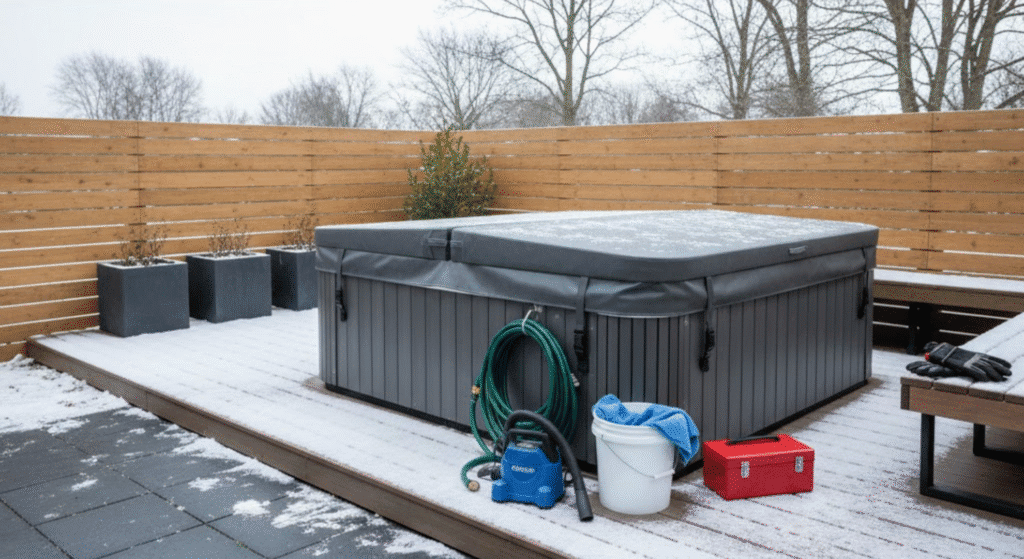
Start by draining the spa completely; this involves turning off the power and using a submersible pump to remove all water.
Next, clean the spa thoroughly to prevent any algae or bacteria from taking hold during the winter.
Don’t forget to clean the filters and either store them in a safe location or replace them if necessary.
Once the spa is clean, it’s advisable to use a non-toxic antifreeze suitable for spas in the plumbing lines to prevent any freezing damage.
After treating the water and adding necessary chemicals, cover your spa with a well-fitted, high-quality cover to shield it from the elements.
Finally, regularly check on your spa throughout the winter months to monitor the cover and ensure that no additional maintenance is needed.
By adhering to this spa winterization checklist, you can enjoy a hassle-free spa experience when the warmer months return.
Key Components of a Spa Winterization Checklist
As the colder months approach, ensuring the longevity and optimal performance of your spa becomes crucial, which makes a comprehensive spa winterization checklist essential for every spa owner.
A well-crafted checklist typically includes draining and cleaning the spa, thereby preventing any water from freezing and causing damage to the plumbing and equipment.
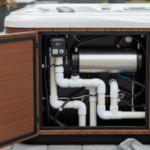
Additionally, you should inspect all components, from the filter to the heater, ensuring nothing is worn or damaged.
Another critical task is to apply antifreeze to the plumbing lines to further safeguard against freezing temperatures.
Lastly, consider covering your spa with a quality, insulated cover that fits snugly, which helps to retain heat and prevent debris from accumulating.
Each step in this checklist not only protects your spa but also prepares it for use when warmer days return.
Common Mistakes to Avoid When Winterizing Your Spa
As the colder months approach, ensuring that your spa is properly winterized is crucial for its longevity and performance.
However, many spa owners tend to make common mistakes that can lead to damage or costly repairs.
To avoid potential pitfalls, refer to this comprehensive spa winterization checklist.
First, failing to thoroughly drain the water from the spa can leave residual water in the plumbing lines, which could freeze and crack pipes.
Additionally, neglecting to clean and sanitize the spa before covering it can lead to algae growth, making seasonal startup more challenging.
Another frequent oversight is not using the correct size of the spa cover, which can leave gaps that allow debris to accumulate, putting added stress on the spa’s structure.
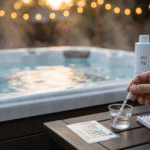
Regularly checking chemical levels before winterization is crucial; unbalanced chemicals can corrode surfaces or damage equipment in cold weather.
Lastly, don’t overlook the importance of keeping the spa’s components protected from the elements.
Following this spa winterization checklist will help you maintain your spa in pristine condition, ensuring you are ready to jump back in come spring!
Maintaining Your Spa During the Winter Months
As the winter months approach, maintaining your spa is essential to ensure its longevity and performance.
A thorough spa winterization checklist can help you prepare your outdoor oasis for the colder seasons, protecting it from freezing temperatures and harsh weather conditions.
First, begin by draining your spa completely, ensuring that all water is removed from the pipes and equipment to prevent damaging ice formation.
Next, clean the spa’s interior surfaces to eliminate any contaminants that could lead to issues later.
Afterward, apply a spa cover that is both insulated and fitted properly, as this will safeguard against the elements while also retaining heat.
Additionally, consider using a winterizing kit to balance the water chemistry, which helps in preventing algae growth and maintains the integrity of your spa’s components.
Lastly, regularly check on your spa throughout winter to ensure that everything is in order, taking proactive steps to address any issues that may arise.
By following this spa winterization checklist, you can enjoy peace of mind knowing your spa is well-protected and ready to welcome you back come spring.
Frequently Asked Questions
Why is spa winterization important?
Spa winterization is important to prevent damage from freezing temperatures, maintain water quality, and ensure your spa is ready for use in the spring.
What key components should be included in a spa winterization checklist?
Key components include draining the spa, cleaning the filters, adding antifreeze, and properly covering the spa to protect it from snow and ice.
What are some common mistakes to avoid when winterizing my spa?
Common mistakes include not fully draining the water, skipping cleaning steps, and using the wrong type of cover that doesn’t protect against the elements.
How can I maintain my spa during the winter months?
You can maintain your spa by regularly checking the cover, monitoring for leaks, and maintaining water quality if you choose to keep it partially filled.
What should I do to prepare my spa for reopening in the spring?
To prepare your spa for reopening, remove the cover, refill and balance the water, clean the filters, and run the pump for a few hours before testing the water chemistry.