There’s nothing quite like sinking into warm, bubbling water after a long day. But here’s what nobody tells you at the showroom: the difference between a hot tub that gives you years of trouble-free relaxation and one that becomes an expensive headache comes down to maintenance.
I’m not going to sugarcoat it—owning a spa requires regular care. But the good news? It’s nowhere near as complicated or time-consuming as you might think. With the right routine and products, you’ll spend about 15-20 minutes per week keeping your hot tub in pristine condition. That’s a small investment for something that can last 15-20 years.
Whether you just purchased your first spa or you’re looking to improve your current maintenance routine, this guide covers everything you need to know. We’ll walk through water chemistry basics, cleaning schedules, equipment care, and the common mistakes that cost owners hundreds in repairs.
Key Features to Consider for Easy Maintenance
Before we dive into the maintenance routine, let’s talk about what makes some hot tubs easier to care for than others. If you’re still shopping, these features will save you time and money:
1. Filtration System Quality
Your filter does the heavy lifting when it comes to water clarity. Look for models with multiple filters or advanced filtration systems. Some newer spas include self-cleaning cycles that automatically circulate and filter water during off-peak hours. This single feature can cut your hands-on maintenance time in half.
2. Insulation and Cover Design
Poor insulation doesn’t just spike your energy bills—it affects water chemistry too. Temperature fluctuations force you to adjust chemicals more frequently. A well-insulated cabinet with a tight-fitting, quality cover maintains consistent temperature and reduces evaporation. Less evaporation means fewer chemical adjustments and less water waste.
3. Ozone or UV Sanitation Systems
These aren’t just fancy add-ons. An ozone generator or UV-C sanitizer can reduce your chemical usage by 60-70%. You’ll still need some sanitizer, but you’ll spend less time testing and adjusting, and the water will be gentler on your skin.
4. Digital Controls and Smartphone Apps
Modern spas with digital monitoring take the guesswork out of maintenance. Some systems alert you when filters need cleaning or chemicals need adjusting. The upfront cost pays for itself in preventing problems before they start.
Top Recommendations for Maintenance Products
Let’s talk about the actual products you need. I’ve tested dozens of options, and these consistently deliver the best results:
Water Testing and Chemistry
Taylor K-2006 Complete Test Kit
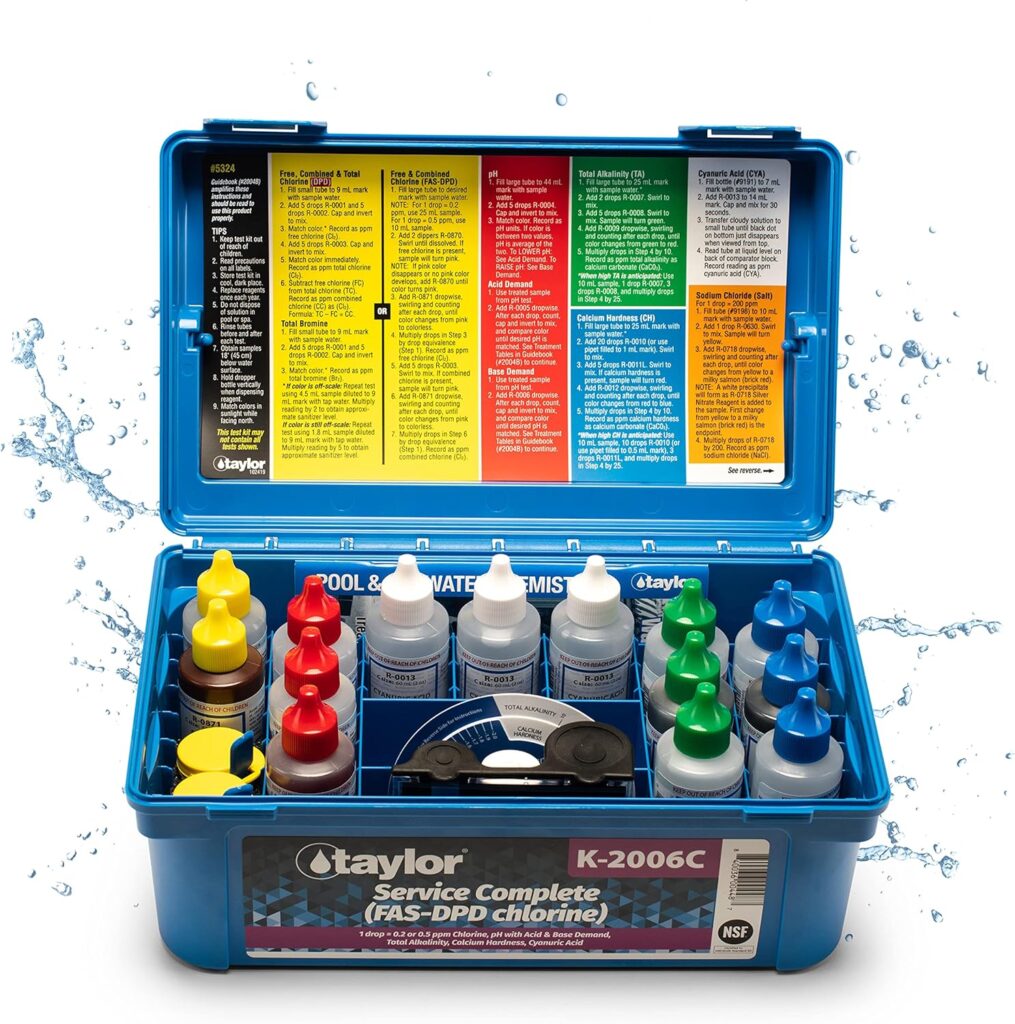
Forget those flimsy test strips. This is the gold standard for accurate water testing. It uses liquid reagents to measure pH, alkalinity, calcium hardness, and sanitizer levels with lab-quality precision. Yes, it costs more upfront, but you’ll avoid the costly mistakes that come from inaccurate readings.
The kit includes everything you need plus detailed instructions. Most hot tub owners who switch to this kit say they wish they’d bought it years earlier.
Sanitizers That Actually Work
Leisure Time Spa 56 Chlorinating Granules
This is my go-to chlorine sanitizer. It dissolves completely in under a minute, doesn’t cloud the water, and works effectively at hot tub temperatures (unlike some pool chlorines). The granular form gives you precise control over dosing.
One container typically lasts 2-3 months for regular users. At around $30, it’s cost-effective and reliable.
Filter Cleaning Solutions
Leisure Time Filter Clean
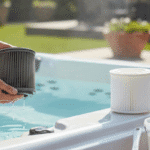
Your filter cartridge needs deep cleaning every 4-6 weeks. This concentrated solution breaks down oils, minerals, and organic buildup that water pressure alone can’t remove. One bottle does 12-15 cleanings, and properly maintained filters last 2-3 years instead of one.
Cover Maintenance
303 Aerospace Protectant
UV rays destroy hot tub covers faster than anything else. This aerospace-grade protectant prevents cracking, fading, and water absorption. Apply it every 4-6 weeks, and your $400-600 cover will last 5-7 years instead of 3-4.
It also works on the spa cabinet, making it an excellent multi-purpose investment.
Comparison and Analysis: Maintenance Approaches
Chemical Sanitization Methods
Chlorine vs. Bromine: The Real Story
Both work, but they work differently:
Chlorine acts faster, costs less, and is easier to shock. It breaks down more quickly in hot water and sunlight, so you’ll test and dose more frequently.
Better for: infrequent users, those sensitive to bromine, anyone who drains their spa regularly.
Bromine stays stable at high temperatures, produces fewer odors, and remains active longer. It costs 30-40% more and requires different testing.
Better for: frequent users (4+ times per week), those with sensitive skin, indoor spas.
For most homeowners using their spa 2-4 times weekly, chlorine offers the best balance of effectiveness and affordability.
Maintenance Frequency Options
High-Touch Weekly Maintenance (15-20 minutes)
- Test water 2x per week
- Add chemicals as needed
- Rinse filter weekly
- Wipe cover and waterline
Result: Crystal clear water, fewer problems, optimal longevity
Minimal Maintenance (30 minutes monthly)
- Test water weekly
- Shock monthly
- Clean filter monthly
- Hope for the best
Result: Cloudy water, equipment strain, expensive repairs within 2-3 years
I’ve seen hundreds of hot tubs, and the pattern is clear: spend 15 minutes weekly or spend thousands in repairs. Your choice.
Buying Guide: Setting Up Your Maintenance Routine
Week 1: Establishing Your Baseline
Start by testing your water chemistry and recording the numbers. You want:
- pH: 7.4-7.6
- Alkalinity: 80-120 ppm
- Calcium hardness: 150-250 ppm
- Sanitizer: 3-5 ppm (chlorine) or 4-6 ppm (bromine)
Adjust one parameter at a time, waiting 4-6 hours between additions. This prevents chemical interactions and gives you accurate readings.
Daily Tasks (2 minutes)
Check your water temperature and inspect for any obvious issues—unusual smells, foam, or debris. With the cover on properly, you shouldn’t lose more than 1-2 degrees per day.
Weekly Tasks (15-20 minutes)
Monday and Thursday: Test your water and adjust chemicals. I test twice weekly because usage patterns change water chemistry faster than you’d think.
Saturday: Rinse your filter cartridge with a garden hose. Remove any visible debris. This simple step prevents 80% of circulation problems.
Sunday: Wipe down the waterline with a spa surface cleaner. Body oils accumulate here and provide a breeding ground for bacteria.
Monthly Tasks (45 minutes)
- Filter Deep Clean: Remove the filter, spray with Filter Clean, let soak for 15 minutes, rinse thoroughly, and let dry overnight. Install your backup filter (you do have a backup, right?).
- Shock Treatment: Add a non-chlorine shock or extra chlorine to oxidize organic contaminants. Do this even if the water looks clear.
- Cover Care: Clean both sides of the cover with mild soap and water, then apply UV protectant to the top surface.
- Cabinet Inspection: Check for any leaks, unusual sounds from the pump, or damage to the cabinet.
Quarterly Tasks (2-3 hours)
- Drain and Refill: Every 3-4 months, completely drain your hot tub. Clean the shell, inspect jets and fittings, flush the plumbing lines, then refill.
- System Flush: Before draining, add a plumbing cleaner to remove biofilm and mineral deposits from pipes you can’t see or reach.
- Cabinet Maintenance: Clean and protect the exterior cabinet. Check all access panels and ensure proper ventilation.
Seasonal Maintenance: Preparing Your Spa for Weather Changes
As the seasons change, it’s crucial to implement effective spa maintenance tips to ensure your hot tub remains in optimal condition year-round.
Start by draining and cleaning your spa to remove any buildup of dirt and debris that may have accumulated during the warmer months.
After draining, thoroughly inspect the surface for any signs of wear or cracks that may need repairing before the cold weather sets in.
Additionally, check all the components, including the filter and heater, making sure they are functioning properly.
Cover your spa with a high-quality spa cover designed to withstand the elements, which not only helps in maintaining water temperature but also protects against leaves and debris.
Regularly check the water chemistry, adjusting the pH and alkalinity as needed, to maintain clarity and prevent algae growth.
Here’s what to look out for in different seasons:
Summer: Increased UV exposure and higher ambient temperatures affect chemistry. Test more frequently and increase cover protectant applications.
Winter: In freezing climates, winterization is critical. If you’re not using your spa, you must either keep it running at minimum temperature or completely drain and protect all plumbing. A single freeze can cause thousands in damage.
By following these spa maintenance tips , you’ll not only prolong the life of your hot tub but also ensure a relaxing and enjoyable experience, no matter what the weather brings.
Money-Saving Strategies
Buy chemicals in bulk during off-season sales (October-November). A year’s supply purchased at 30-40% off saves $150-300.
Replace worn components early. A $15 O-ring replaced now prevents a $200 pump repair later.
Keep detailed records. Track your water chemistry readings, chemical additions, and any issues. Patterns emerge that help you prevent problems.
Common Spa Problems and How to Fix Them
Maintaining a spa doesn’t have to be a challenging endeavor.
Regular upkeep ensures that your spa remains a source of relaxation and enjoyment. However, even the most diligent owners may face common spa problems.
Understanding these issues can keep your spa in excellent working condition. One prevalent problem is water imbalance, which can lead to skin irritation or cloudy water. To combat this, routinely test your water with a reliable testing kit and adjust the pH levels accordingly.
Another frequent issue is an inadequate filtration system, which can cause debris buildup. To fix this, ensure that you routinely check, clean, or replace the filters as recommended by the manufacturer.
Lastly, leaks can be troublesome.
Regularly inspect the plumbing and connections for any signs of moisture, and consider hiring a professional for persistent issues.
By integrating these essential spa maintenance tips into your routine, you can easily tackle these common problems, ensuring your spa remains a serene retreat.
Red Flags That Need Immediate Attention
Some issues can’t wait until your next scheduled maintenance:
- Cloudy water that doesn’t clear within 24 hours of shocking
- Unusual pump noises (grinding, squealing, or excessive vibration)
- Water level dropping more than an inch per week
- Foam that persists after shocking
- Green or brown water (immediate drain and clean required)
If you start noticing any of the above, call a professional promptly.
Final Thoughts
Your hot tub represents a significant investment in your health, wellness, and home value. Proper maintenance isn’t about perfection—it’s about consistency. The owners who enjoy years of trouble-free use aren’t doing anything complicated; they’re simply staying on top of the basics.
Start with a quality test kit and reliable sanitizer. Build a realistic routine that fits your schedule. Pay attention to what your spa is telling you through changes in water clarity, equipment sounds, and chemistry stability.
Most problems are preventable with basic weekly care. The 15-20 minutes you invest each week saves you from costly repairs and ensures your spa is always ready when you are.
For many owners, the time spent maintaining their hot tub becomes a meditative ritual—a few minutes of careful inspection that makes the relaxation that follows even more satisfying. Your spa takes care of you; take care of it.
Ready to stock up on maintenance essentials? Start with these three critical products:
- Taylor K-2006 Test Kit for accurate water testing
- Leisure Time Spa 56 for reliable sanitization
- 303 Protectant to extend your cover’s life
With the right tools and a consistent routine, your hot tub will provide decades of relaxation and recovery. Now stop reading and go enjoy that warm, clean water!
Frequently Asked Questions
What are the daily maintenance tasks needed for a spa?
Daily maintenance tasks include checking the water temperature and ensuring the filtration system is functioning properly.
How often should I perform a deep clean on my spa?
A deep clean should be performed on your spa at least once a month.
This includes draining the water, cleaning the surfaces, and checking the spa components thoroughly.
What seasonal maintenance should I do for my spa?
Before winter, ensure your spa is properly winterized, including draining water, insulating pipes, and covering the spa.
Similarly, in spring, inspect and refresh the spa’s water, and check for any damage caused by winter weather.
What are some common spa problems and their solutions?
Common spa problems include cloudy water, insufficient heating, and faulty jets.
Cloudy water can be resolved by checking chemical balance; insufficient heating may indicate a need for thermostat adjustment, and faulty jets often require cleaning or replacement.
When should I consider hiring a professional for spa maintenance?
You should consider hiring a professional if you encounter complex issues beyond basic maintenance, such as electrical problems, extensive leaks, or if you lack the time or expertise for proper upkeep.