
If you just bought a hot tub or you are tired of guessing which chemicals to grab at the pool store, a hot tub chemical kit can simplify things. These kits bundle the core chemicals you need to keep your water clean and balanced, which sounds straightforward until you realize not all kits cover the same ground.
Some starter kits give you enough to get through the first month. Others skip essential items like a reliable test kit or filter cleaner. And if you are running a bromine spa or a saltwater system, a generic chlorine kit may not be the right fit.
This guide walks through what a hot tub chemical kit typically includes, how to choose one that matches your sanitizer system, what you will likely need to buy separately, and how to use those chemicals as part of a weekly routine that keeps your water clear without overthinking it.
As an Amazon Associate I earn on qualifying purchases at no extra cost to you.
Key Takeaways
- Hot tub chemical kits are vital for maintaining safe and clean water.
- Key components of chemical kits include sanitizers, pH balancers, and shock treatments.
- Choosing the right chemical kit depends on your hot tub type and usage frequency.
- Proper application of chemicals is crucial for effective maintenance and safety.
- Regular testing and maintenance ensure optimal water quality and a better soaking experience.
What Is a Hot Tub Chemical Kit?
A hot tub chemical kit is a bundled set of chemicals designed to sanitize your water, balance pH and alkalinity, and handle common water quality issues like clouding or foaming. Most kits are sold as starter packs for new spa owners or as refill bundles for experienced hot tub owners.
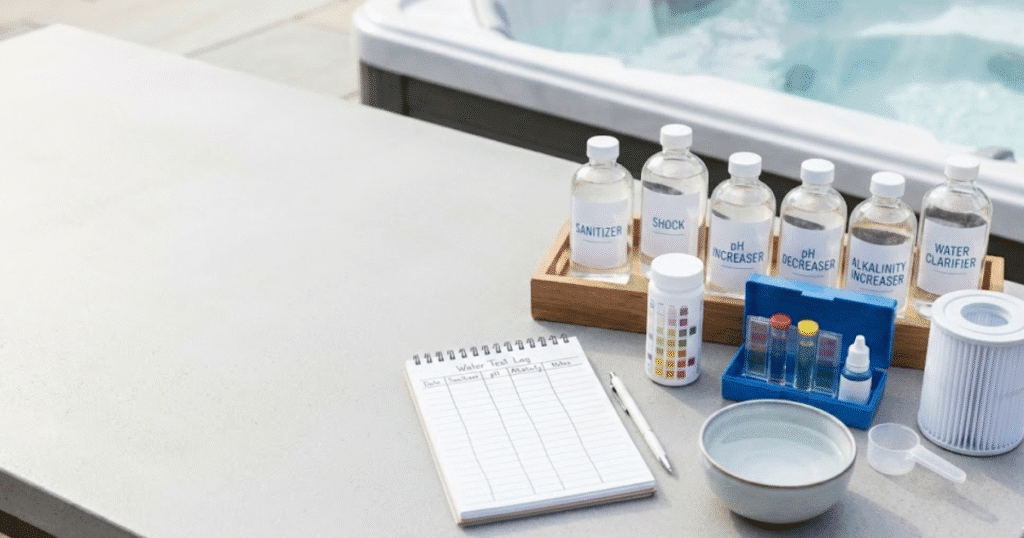
The contents vary by brand and sanitizer type, but most kits include some combination of sanitizer, shock, pH adjuster, alkalinity increaser, and test strips. Higher end kits may add water clarifier, scale inhibitor, or algaecide, though not every hot tub needs all of those.
Kits simplify shopping because you get multiple products in one purchase instead of piecing together individual bottles. That said, many kits leave out key maintenance items like a proper test kit or filter cleaning solution, so it is rare to find one that covers absolutely everything.
What a Hot Tub Chemical Kit Typically Includes
Here is what you will usually find in a standard hot tub chemical kit, along with what each chemical does and when you use it. I’ve included Amazon links to each item for easy reference.
| Chemical | What It Does | When to Use It |
|---|---|---|
| Sanitizer (chlorine or bromine granules) | Kills bacteria, viruses, and other contaminants | Add it after each use, or include it in your weekly maintenance routine, to help keep sanitizer levels in check. |
| Non-chlorine shock or chlorine shock | Breaks down organic waste, oils, and lotions. Chlorine shock also sanitizes. | Weekly or after heavy use. Non-chlorine shock lets you soak right away. Chlorine shock requires waiting. |
| pH increaser (soda ash) | Raises pH when water becomes too acidic | When pH drops below 7.2 |
| pH decreaser (sodium bisulfate or dry acid) | Lowers pH when water becomes too alkaline | When pH rises above 7.8 |
| Total alkalinity increaser (sodium bicarbonate) | Stabilizes pH by raising total alkalinity | When alkalinity falls below 80 ppm |
| Test strips or liquid test kit | Measures sanitizer, pH, alkalinity, and sometimes hardness | Before adding any chemicals, typically twice per week |
| Water clarifier | Helps filter catch fine particles that cause cloudiness | When water looks hazy despite balanced chemistry |
| Scale inhibitor or stain preventer | Prevents calcium buildup and metal staining | Monthly or as directed on the label, especially in areas with hard water |
| Algaecide | Prevents algae growth | Optional in covered hot tubs with consistent sanitizer levels |
Not every kit includes all of these. Starter kits lean toward the essentials like sanitizer, shock, pH adjuster, and test strips. Maintenance kits often skip the alkalinity increaser or clarifier because you do not need those as frequently.
Choosing the Right Hot Tub Chemical Kit for Your Sanitizer System
The right chemical kit depends on which sanitizer system your hot tub uses. Buying a chlorine kit for a bromine spa, or assuming a saltwater system needs no chemicals at all, creates headaches.
Chlorine spa
Most hot tub chemical kits are built around chlorine because it is the most common sanitizer. Look for a kit that includes chlorine granules, non chlorine shock or chlorine shock, pH increaser, pH decreaser, and alkalinity increaser. Test strips are usually included but check before you buy.
Chlorine works fast and dissipates quickly, so you will add it more often than bromine. If your kit only gives you a small container of chlorine granules, plan to buy refills within a few weeks.
Bromine spa
Bromine lasts longer in hot water and produces less odor than chlorine, but it requires a slightly different approach. You will still need pH and alkalinity adjusters, but instead of chlorine granules, look for bromine tablets or granules.
Many bromine kits include a brominating concentrate and sodium bromide to establish a bromine bank in your water. You then use non-chlorine shock to activate the bromine. If your kit does not mention sodium bromide, you may need to buy it separately the first time you fill your spa.
Mineral system with chlorine or bromine
Mineral cartridges reduce the amount of sanitizer you need by releasing silver or copper ions that help control bacteria. You still need to add chlorine or bromine, just at lower levels.
A standard chlorine or bromine kit works fine here. You will just use less sanitizer per dose. Some mineral system manufacturers sell their own chemical kits that include lower dose sanitizer along with the usual pH and alkalinity products.
Saltwater system
Saltwater hot tubs use a salt cell to generate chlorine from dissolved salt, which means you do not buy chlorine granules. However, you still need pH adjusters, alkalinity increaser, and shock.
Look for a saltwater compatible chemical kit or buy individual bottles of pH decreaser, pH increaser, alkalinity increaser, and non chlorine shock. You will also need salt, which most kits do not include, and test strips that measure salt levels along with the usual parameters.
What to Buy Separately That Hot Tub Chemical Kits Often Skip
Even the most complete hot tub chemical kit usually leaves out a few things you will need to maintain your spa properly.
Reliable test kit
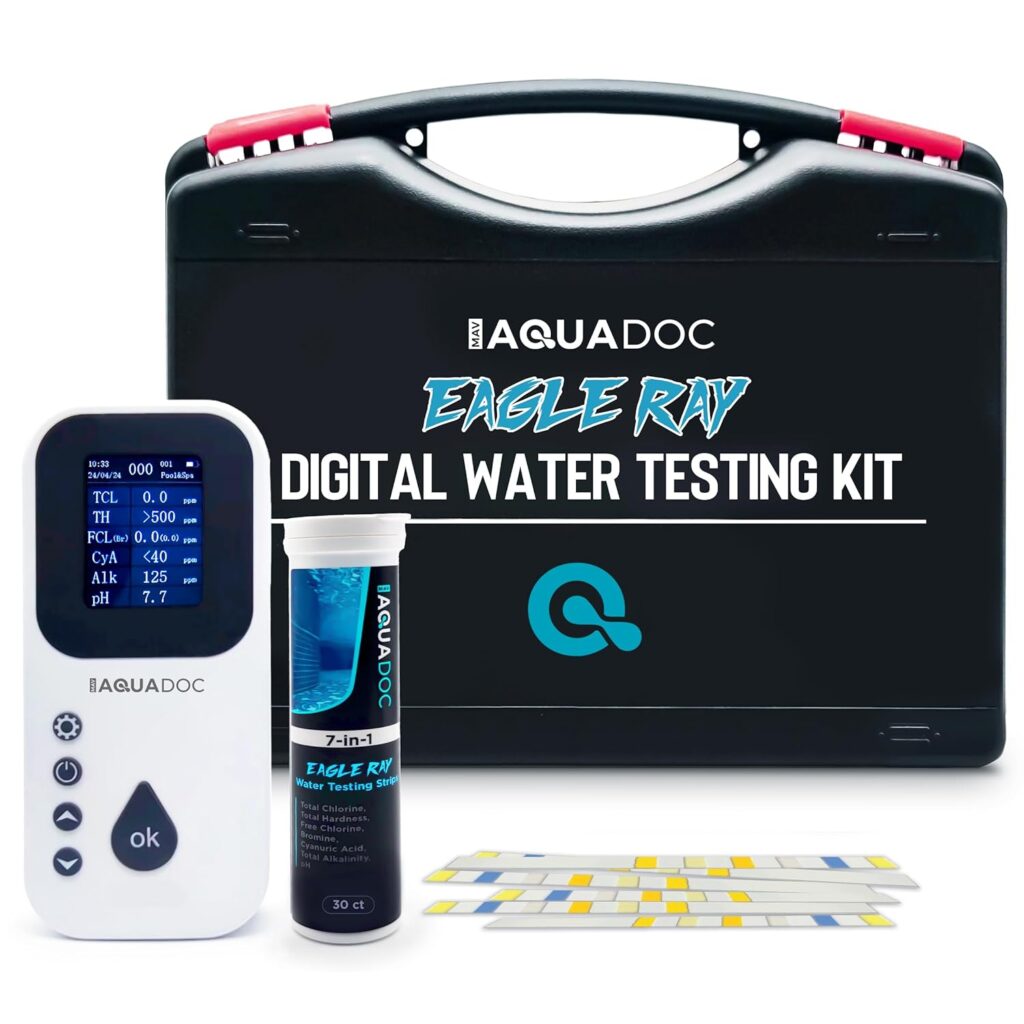
Most starter kits include basic test strips, which are fine for quick checks, but they are less accurate than liquid drop test kits or digital testers.
If you want more precise readings, consider buying a Taylor test kit or a digital water tester separately. Accurate testing prevents you from overdosing or underdosing your chemicals.
Filter cleaner
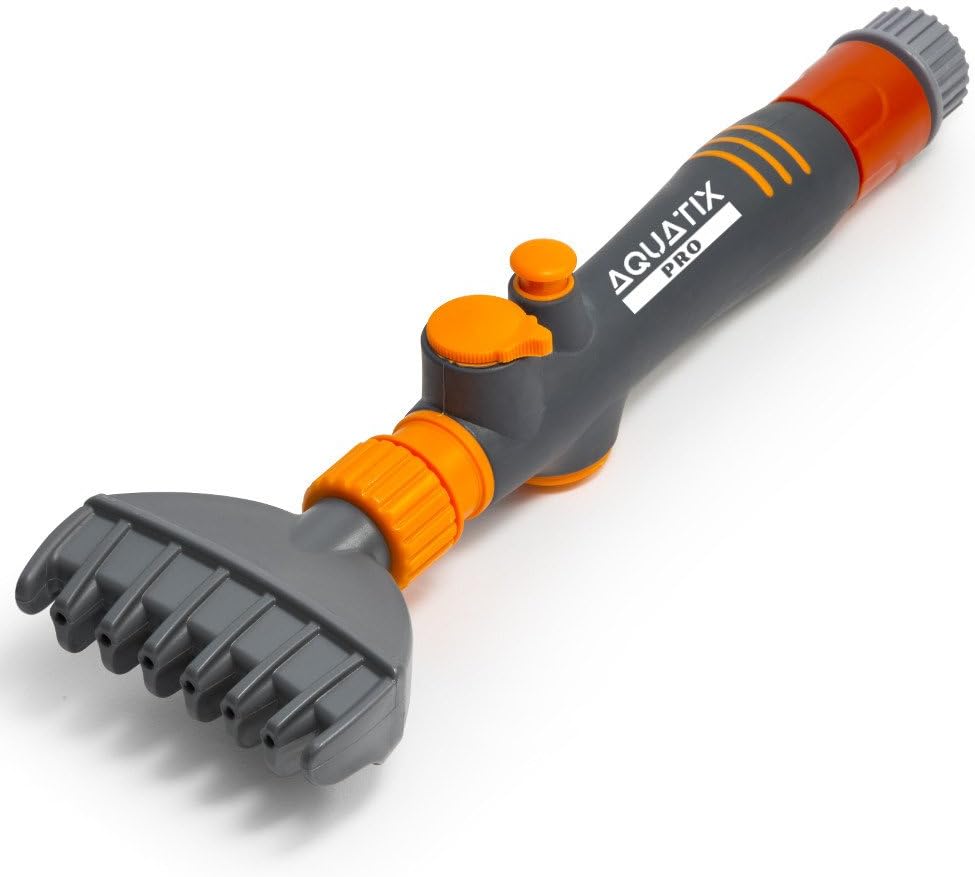
Your spa filter needs regular cleaning to trap debris and keep water flowing properly. Most chemical kits do not include filter cleaning spray or soak solution. Buy a filter cleaner designed for hot tubs and plan to rinse your filter weekly and deep clean it monthly.
Measuring scoop
Some kits include a small scoop for measuring granules, but many do not. A measuring scoop or cup marked in tablespoons and ounces helps you dose chemicals accurately instead of guessing.
Spa vacuum or skimmer
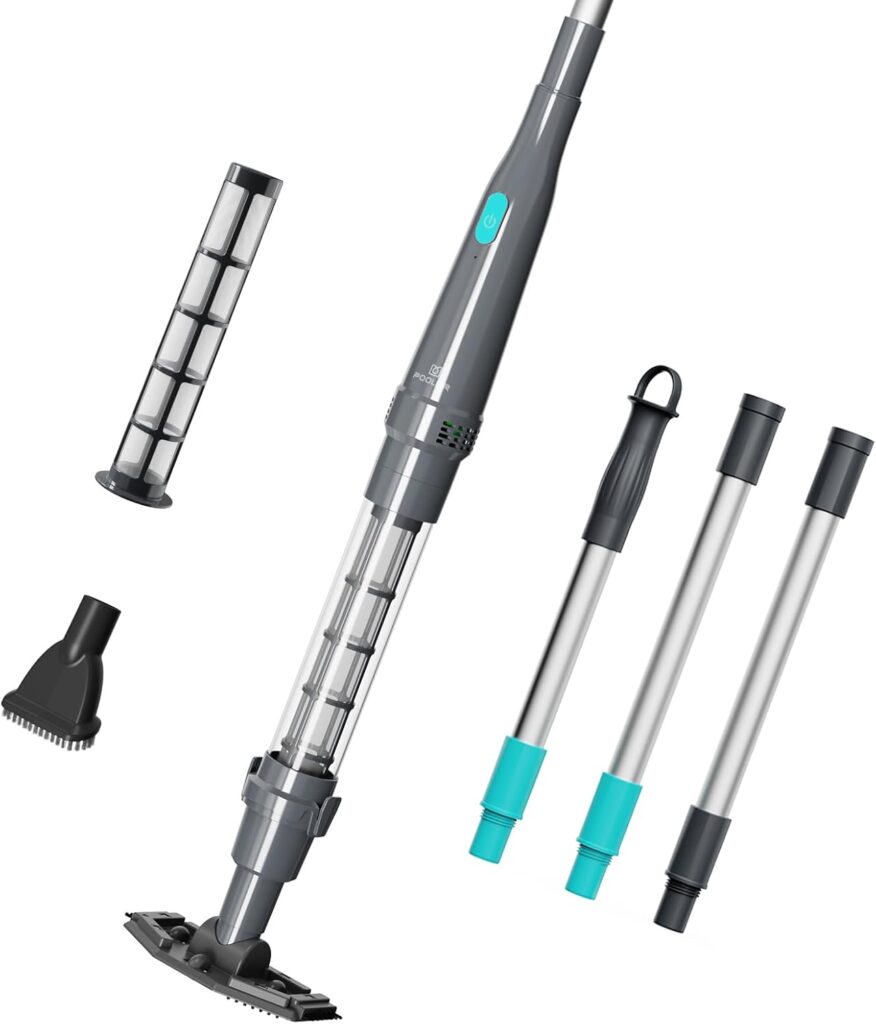
Leaves, bugs, and debris will end up in your water no matter how often you use your cover. A small handheld spa vacuum or a floating skimmer keeps the surface clean and reduces the load on your filter.
Step-by Step-Weekly Routine Using a Hot Tub Chemical Kit
A consistent weekly routine keeps your hot tub water balanced and safe. This process takes about 10 to 15 minutes and prevents most common water quality problems.
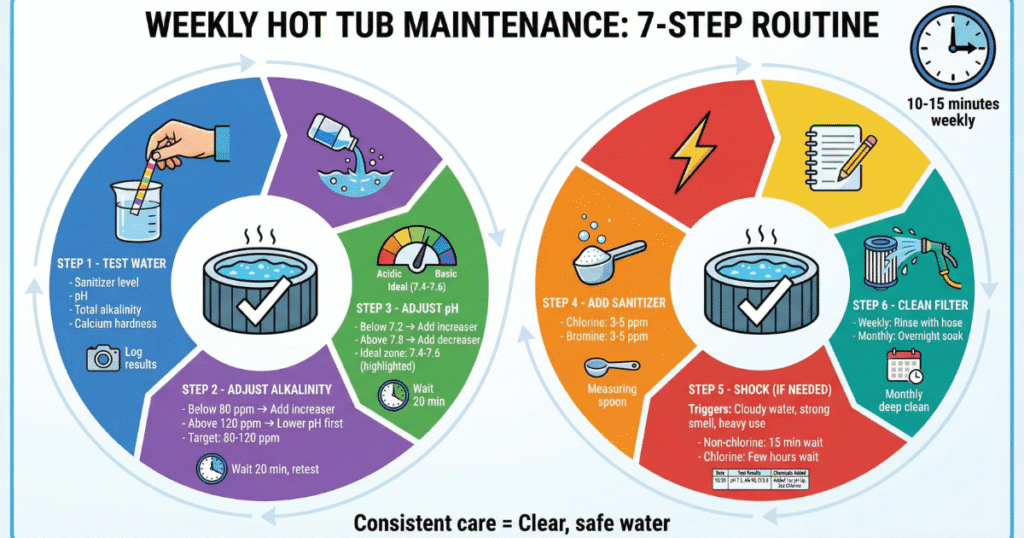
- Log your results: Keep a simple log of your test results and what you added. This helps you spot patterns, like pH drifting low every week, which might mean your alkalinity needs adjustment or your water source is naturally acidic.
- Test your water: Use test strips or a liquid test kit to measure sanitizer level, pH, total alkalinity, and calcium hardness. Write down the numbers or take a photo so you can track trends over time.
- Adjust total alkalinity first: If alkalinity is below 80 ppm, add alkalinity increaser according to the label instructions. If alkalinity is above 120 ppm, you may need to lower pH first, which will also bring alkalinity down slightly. Wait at least 20 minutes, then retest before moving to the next step.
- Adjust pH next: If pH is below 7.2, add pH increaser. If pH is above 7.8, add pH decreaser. Aim for a range between 7.2 and 7.8, with 7.4 to 7.6 being ideal for most systems. Retest after 20 minutes.
- Add sanitizer: Check your sanitizer level. For chlorine, aim for 3 to 5 ppm. For bromine, aim for 3 to 5 ppm as well, though some systems run slightly higher. Add chlorine or bromine granules as needed to bring the level into range.
- Shock when needed: If your water smells strong, looks cloudy, or you have had heavy bather load that week, add shock. Non chlorine shock lets you use the tub within 15 minutes. Chlorine shock requires waiting until the sanitizer level drops back to normal, usually a few hours.
- Clean your filter: Remove the filter cartridge and rinse it with a garden hose to clear out trapped debris. If it has been a month since your last deep clean, soak the filter in filter cleaning solution overnight, then rinse thoroughly before reinstalling.
Troubleshooting Common Hot Tub Water Problems
Even with regular maintenance, you may run into water quality issues from time to time. Here are fast fixes for the most common problems.
Cloudy water
Cloudy water usually means your filter is struggling to catch fine particles. Check your sanitizer level first. If it is low, add sanitizer and run the pump on high for a few hours. If sanitizer is fine, add water clarifier and clean your filter. If cloudiness persists, test total dissolved solids. High TDS means it is time to drain and refill.
Strong chlorine smell
A strong chlorine smell is not too much chlorine. It is actually chloramines, which form when chlorine binds to organic waste. Shock your water with non-chlorine shock or chlorine shock to break down the chloramines. The smell should clear within a few hours.
Foaming
Foam forms when soap residue, body oils, or lotions build up in your water. Drain a few inches of water and refill to dilute the concentration. Add a small dose of defoamer if you need to use the tub right away. Long term, ask users to shower before soaking and avoid using lotions or oils before getting in.
Skin irritation
Skin irritation can come from high sanitizer levels, low pH, or high alkalinity. Test your water and bring pH and alkalinity into proper range first. If sanitizer is above 5 ppm, let the tub sit with the cover off to allow chlorine to dissipate, or add a chlorine neutralizer if you need to soak sooner.
Scaling
White or gray deposits on your shell or around the waterline mean calcium is precipitating out of your water. This happens when pH or alkalinity runs too high, or when calcium hardness is above 400 ppm. Lower pH and alkalinity, add scale inhibitor, and scrub visible deposits with a soft cloth. If your water source is very hard, consider using a pre-filter when filling your spa.
Chemical Safety and Handling
Hot tub chemicals are safe when used correctly, but mixing them or handling them carelessly can cause burns, toxic fumes, or fires.
Store chemicals in a cool, dry place away from direct sunlight and out of reach of children and pets. Keep lids tightly closed and never store different chemicals in the same container.
Never mix chemicals together before adding them to your spa. Add each chemical separately and let the water circulate for at least 20 minutes between additions.
Wear gloves when handling chemicals, especially if you have sensitive skin. Avoid breathing dust or fumes. If you spill concentrated chemicals on your skin, rinse immediately with water.
Read the labels on every product. Dosing instructions, wait times, and safety warnings vary by manufacturer and concentration.
Frequently Asked Questions
What are hot tub chemical kits?
Hot tub chemical kits are pre-packaged sets of chemicals designed specifically for maintaining the water quality and hygiene of hot tubs.
They typically include products such as sanitizers, pH balancers, alkalinity increasers, and clarifiers.
How do I choose the right hot tub chemical kit for my hot tub?
When choosing a hot tub chemical kit, consider the size and type of your hot tub, the specific water conditions, and the type of sanitizer you prefer (such as chlorine or bromine).
Additionally, ensure the kit contains all necessary components for water balance and sanitization.
What chemicals should I put in my hot tub for the first time?
When you fill your hot tub for the first time, start by testing your source water to see what you are working with. Add a stain-and-scale/metal control product if your fill water is hard or contains metals (common with well water) to help prevent staining and scale as the water heats and you add sanitizer.
Then adjust total alkalinity first using alkalinity increaser, aiming for 80 to 120 ppm. Once alkalinity is stable, adjust pH to between 7.2 and 7.8 using pH increaser or decreaser.
After pH and alkalinity are balanced, add your sanitizer (chlorine or bromine) and circulate, then test and adjust to the target range your system calls for (commonly about 2–4 ppm for chlorine and around 3–5 ppm for bromine).
Wait at least 30 minutes with the pump running before getting in. Once the water is balanced, many owners shock/oxidize to clear out contaminants and help prevent cloudiness. Follow your spa manual for whether an initial shock is recommended.
How often should I use hot tub chemicals?
You should regularly test your hot tub water at least once a week and adjust your chemical levels accordingly.
It’s also important to shock the water weekly and add any necessary balancing chemicals as needed to maintain optimal water quality.
What not to put in a hot tub?
Never put regular household cleaners, dish soap, laundry detergent, or bubble bath in your hot tub, as these create excessive foam and can damage your pump and plumbing.
Avoid using bath oils, lotions, or anything greasy before soaking, as oils coat your filter and make water balance harder to maintain.
Do not add pool chlorine tablets designed for swimming pools, as they dissolve too slowly and can damage your spa shell or equipment. Epsom salts are sometimes mentioned as a soak additive, but many manufacturers warn against them because they can cloud water and leave residue.
If you want aromatherapy, use products specifically labeled as spa safe or hot tub safe, as these are formulated to work with your filtration system without causing foam or buildup.
Can I use hot tub chemicals in other types of pools or spas?
While many hot tub chemicals can be used in other types of pools or spas, it’s essential to check compatibility.
Different systems may require specific balances and products tailored to their design and water treatment requirements.
Should I use a chlorine or bromine chemical kit?
That depends on your sanitizer preference. Chlorine works faster, costs less, and dissipates quickly, which means less buildup over time. Bromine lasts longer in hot water, produces less odor, and feels gentler on skin, but it costs more and requires a bromine bank to work efficiently. If you are not sure, start with chlorine because it is easier to find and simpler to manage.
How do I keep my hot tub water crystal clear?
Keeping your hot tub water crystal clear comes down to consistent testing, proper filtration, and regular maintenance.
Test your water at least twice per week and adjust pH, alkalinity, and sanitizer levels as needed to keep everything balanced.
Run filtration long enough for your spa and usage (often around 4–8 hours/day for portable spas, more if the tub is used heavily), and rinse the filter cartridge weekly to remove trapped debris.
Shock your water weekly with non-chlorine shock or chlorine shock to break down oils, lotions, and organic waste that your filter cannot catch. Ask users to shower before soaking to reduce the amount of body oils, sweat, and product residue entering the water.
If the water stays hazy after you’ve confirmed balance and cleaned the filter, a clarifier can help your filter grab fine particles. Drain and refill your spa every three to four months to prevent total dissolved solids from building up to levels that make water balance more difficult to maintain.
What is the difference between non-chlorine shock and chlorine shock?
Non chlorine shock oxidizes organic waste and oils without raising your sanitizer level, so you can soak within 15 minutes of adding it. Chlorine shock does the same job but also sanitizes, which raises your chlorine level temporarily. You need to wait until chlorine drops back to 5 ppm or lower before using the tub, usually a few hours. Use non chlorine shock for regular weekly maintenance and chlorine shock when you need to sanitize heavily after a problem like algae or very cloudy water.
Do I need algaecide in a covered hot tub?
Most covered hot tubs do not need algaecide if you maintain proper sanitizer levels. Algae needs light and low sanitizer to grow, and a well maintained spa with a cover on when not in use rarely has algae issues. If you notice green or slimy growth, your sanitizer is too low. Fix that first before adding algaecide.
What is the best test kit for hot tubs?
For accuracy, a liquid drop test kit like the Taylor K-2006 is the best option. It measures free chlorine, bromine, pH, alkalinity, calcium hardness, and cyanuric acid with more precision than test strips. If you prefer convenience, use test strips for quick daily checks and verify with a liquid kit weekly. Digital testers are also accurate but cost more and require calibration.
What is the best thing to clean the inside of a hot tub with?
The best way to clean the inside of your hot tub shell is with a soft cloth or sponge and a cleaner made specifically for acrylic or vinyl spa surfaces.
These cleaners remove oils, dirt, and waterline buildup without scratching or leaving residue. Avoid abrasive pads and harsh household cleaners (especially anything that can leave residue), as these can dull the finish or react with leftover sanitizer in your water.
For stubborn stains or scale around the waterline, a paste of baking soda and water works well as a gentle scrub. Clean your shell when the tub is drained, not while it is full, so you can rinse thoroughly without adding soap or residue to your water. For the plumbing lines, use a line flush product before you drain to clear out biofilm and buildup that hides in the pipes.